Periodontics
Ultrasonic Scaling
To fight periodontal disease, we need to reduce plaque, tartar, and the number of bacteria in the pockets in your mouth. One device we use to remove calculus from teeth is an ultrasonic scaler. It consists of a wand with a small scaling tip that produces a soft ultrasonic vibration. The small, quick vibrations in combination with a water flow give us a whole new level of effectiveness in calculus removal. The benefits of ultrasonic scaling include:
- Increased efficiency of calculus removal
- Less need for hand scaling of stubborn deposits
- More comfortable access to the root surfaces, thanks to the small tip
Polishing
Once all the surfaces are smooth, the dental worker may polish your teeth. Polishing is done using a slow speed handpiece with a soft rubber cup that spins on the end. Prophylaxis (short for prophy) paste - a special gritty toothpaste-like material - is scooped up like ice cream into the cup and spun around on the teeth to make them shiny smooth.
Aesthetic Restorative
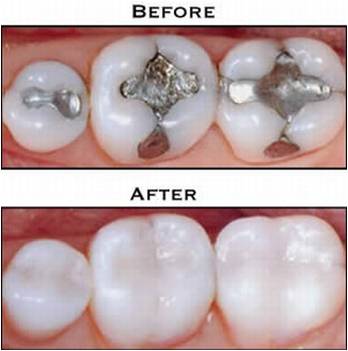
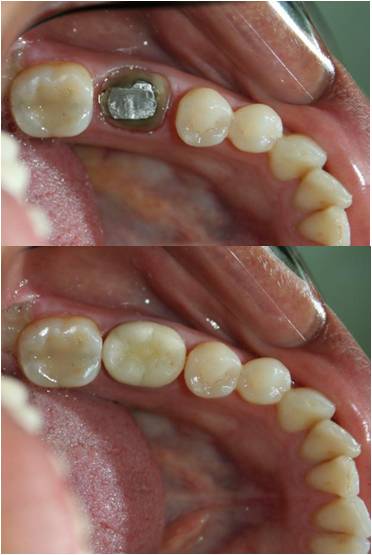
A dental restoration or dental filling is a dental restorative material used to restore the function, integrity and morphology of missing tooth structure. The structural loss typically results from caries or external trauma. It is also lost intentionally during tooth preparation to improve the aesthetics or the physical integrity of the intended restorative material. Dental restoration also refers to the replacement of missing tooth structure which is supported by dental implants
Extractions and Surgery
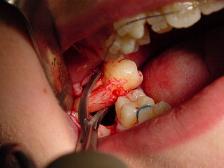
A dental extraction is the removal of a tooth from the mouth. Extractions are performed for a wide variety of reasons, including tooth decay that has destroyed enough tooth structure to prevent restoration. Extractions of impacted or problematic wisdom teeth are routinely performed, as are extractions of some permanent teeth to make space for orthodontic treatment.
Fixed Prosthodontics
Crowns:
A crown is a tooth–shaped cover placed over a tooth.
- Replace a large filling when there isn´t enough tooth remaing
- Protect a weak tooth from fracturing
- Restore a fractured tooth
- Attach a bridge
- Cover a dental implant
- Cover a discolored or poorly shaped
- Cover a tooth that has had root canal treatment
Bridges:
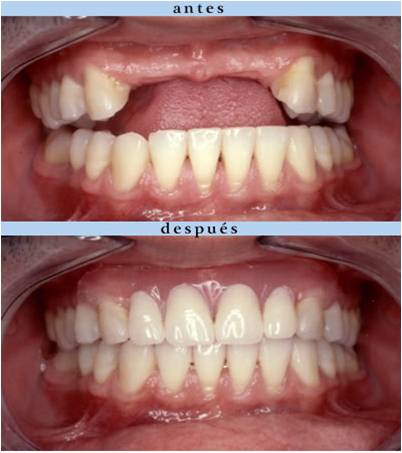
A bridge maybe recommended if you are missing one or more teeth. A traditional bridge is made by creating a crown for each tooth on both sides of the space and placing a false tooth between the crowns.
Getting a bridge requires at least two visits: the first to prepare the teeth to be crowned and make impressions, and the second to place the bridge.
Bridge last at least five to ten years, often longer.
More than just straight teeth
Braces are the beginning, but the system makes the smile.
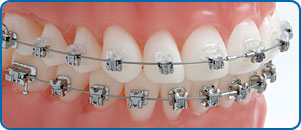
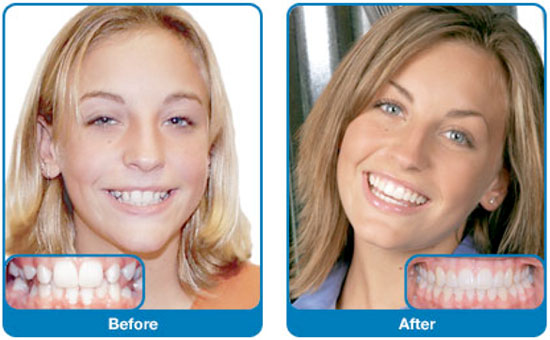
Orthodontic irregularities are generally treated with as braces. Braces are usually made from wires and springs attached to tiny metal plates or a plastic mould. Braces apply gentle forces to teeth and encourage them to to move slowly to adopt a different alignment. The best orthodontic results are achieved with children when their teeth are still growing; many adults have orthodontic treatment, but the process takes much longer.
The orthodontist will assess the teeth that need to be aligned and create either a fixed or removable brace, which can be adjusted during the course of the treatment to achieve the desired effect. The fixed braces, as their name implies, are permanent fixtures and are removed at the end of the treatment period, whereas removable braces can be taken off for eating and cleaning but are generally worn at all other times. Braces will improve the function of the teeth and the general appearance of the person.

 There are two types of tooth bleaching systems available;
|

Dental implants are titanium based artificial tooth roots installed in the place of lost teeth. It takes around half an hour to install one implant by a simple surgery under local anesthesia. Dental implants are intented to stay and function life-long in patients mouth without any problem. The surface of dental implants are specially treated to have special bonding with the bone to establish mechanical and cell grabbing. The ideal waiting period to establish the best bone-to-implant bonding is recommended about 3-6 months. A major difference is existing between dental implants and bridge prothesis. For example, if the bridge prothesis must be used, perfectly healty frontal and posterior neighbour teeth next to the lost teeth needs to be cut. In implant treatment, nothing but the titanium based artificial tooth root is installed in the lost tooth area; Then, on the artificial tooth root, a a porcelain or zirconium based aestetic tooth restoration is performed. To learn more about Dental Implants please click… |